


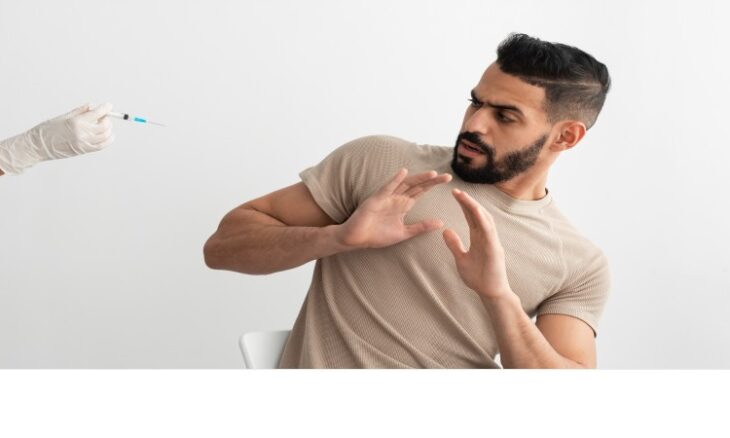
Oxford Trial Shows VR Can Reduce Needle Fear
A new study led by the University of Oxford has found that needle phobia can be treated with an automated virtual reality psychological therapy. The research was funded by the National Institute for Health and Care Research and is being described as the first clinical trial of a VR treatment for needle fears in adolescents.
The trial, published in The Lancet: eClinical Medicine, found that the therapy substantially reduced needle-related fears among young people aged 12 to 15. The study adds to the evidence that virtual reality can be used to support people who struggle with medical procedures involving needles.
Needle fears are common among children and teenagers, affecting around 20 to 50% of adolescents. The issue is significant because several important vaccinations are given during the teenage years. These include vaccines against tetanus, diphtheria, polio, meningitis, and human papillomavirus (HPV). The HPV vaccine is part of the UK government’s plan to eradicate cervical cancer by 2040.
The NHS aims to vaccinate 90 to 95% of adolescents, but current rates stand at about 70 to 75%. Around 10 to 20% of the gap is linked to fear of needles. The findings, therefore, point to a wider public health problem as well as an individual source of distress for young people.
The treatment developed by Oxford researchers takes 2.5 hours in VR. Young people with needle fears helped shape the programme’s design. The virtual reality therapy is set in a high school and uses a virtual coach named Farah, who provides information, encouragement, and guidance throughout the experience.
The programme uses five levels of exposure. It begins with looking at needles and progresses through picking up needles, using needles, observing needle procedures and receiving needle procedures. The tasks start with seeing virtual needles in display cases and move on to piercing balloons with needles, injecting a penguin and a giant, and watching a person being vaccinated. The final stage is set in a school gym, where a nurse administers a vaccination into the user’s virtual arm.
Professor Daniel Freeman, a Consultant Clinical Psychologist at Oxford Healthcare NHS Foundation Trust and NIHR Biomedical Research Centre: Oxford Mental Health Psychological Treatments Theme Lead, said the work is important because young people need to feel comfortable with vaccination, blood tests and other procedures involving needles. He said needle fear can be treated through gradual exposure to needles and related stimuli, which helps people learn that they can cope. He also noted that a shortage of therapists limits access to this kind of help. According to his remarks, virtual reality offers a way to deliver treatment via inexpensive consumer headsets with a virtual therapist, thereby automating the intervention.
Dr Eve Twivy, the trial clinical psychologist in the Department of Experimental Psychology at the University of Oxford, said VR had previously been used to distract people from anxiety or pain during needle procedures. She said this study focused instead on the fear that leads many people to avoid such procedures. She added that many people fear that something will go wrong, that the procedure will be very painful, or that they will not be able to cope. The programme was designed to help young people become less afraid by working with virtual needles through playful and informative activities.
The research team said that the young people in the trial were motivated to complete the programme and found it helpful. The study was funded by the Beryl Alexander Charity, the NIHR Biomedical Research Centre: Oxford Healthcare and the NIHR BRC: Oxford.